Built at Hack Western 13
Find your keys
by sound.
Beacon is a chest-worn prototype for people who are blind or have low vision. Ask for the keys, follow a spoken direction, then listen for stereo ticks as you reach.
Try the sound demoBeacon’s camera test
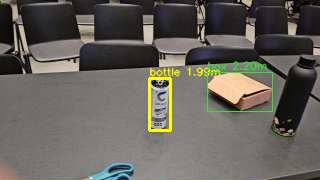
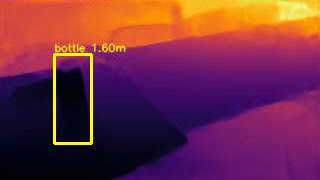
From asking
to reaching.
Beacon is designed for familiar indoor objects its camera has already seen in the current session. The objects need no tags.
Ask for the keys
Say “Where are my keys?” Beacon matches the request to a supported object, such as keys, a cup, or a bottle.
Follow a spoken direction
The chest camera estimates where the item is. A short phrase such as “a little left” helps you approach it.
Reach toward the sound
The ticks pan toward the object and speed up as your hand gets closer. When your hand is close and aligned, the ticks become a steady tone.
Hear the
distance.
Play the browser simulation and move the slider toward the keys. Then simulate tracking loss. Beacon briefly holds the last reach cue before saying “I lost the target.”
The wearable
and the dashboard.
Speech recognition, vision, and sound guidance run on the Raspberry Pi. QNX gives guidance priority so it can keep its timing while vision models run.
The optional laptop dashboard helps the team see the tracked hand and object, read cue captions, check process health, and replay a run.
Beacon was built by a sighted hackathon team as a supplement to a cane. Testing with blind and low-vision wearers is a next step.
Read the project on GitHub ↗